What is Higgsfield Katana?
Higgsfield Katana is a workflow that takes a reference video, such as a short-form edit whose pacing, transitions and typography you like, and remixes it around your own subject. It runs inside Claude, connected to Higgsfield’s tools through MCP.
Katana makes a remix, not a copy. The workflow instructions served through the Higgsfield connector on October 18, 2026 tell the agent to adapt the reference’s visual language to new scenes, motion and text, and not to rebuild the reference shot for shot. Use a reference you own or have permission to use.
Katana coordinates many steps rather than generating a video in one call. In our session, Claude analyzed the reference, prepared files in a Higgsfield sandbox, planned shots and called image and video generation tools.
How does Katana work?
- Bring a reference or choose a preset. A preset supplies a published reference edit.
- Add your subject. Supply up to five photos and any instructions about what to feature or change.
- Let it run. The workflow analyzes the reference frame by frame, plans the scenes, generates location images and video, then assembles, checks and delivers the edit in the chat. It is designed to run without stopping for questions or credit confirmations, within your account’s limits and a spending cap it sets for the run.
- Check plan access and credits. New video scenes use Seedance 2.5 only. On a Starter plan, that step returned “Requires plus plan or higher” in our session.
Katana is worth considering when you can point to an edit and say, “Make one like this with my product.”
Our paid test: a Katana preset remixed for Vividemo
On October 18, 2026, on a Higgsfield Plus account, we ran Katana’s Dark Geometric Animation preset, an 18-second abstract low-poly animation, with a brief for Vividemo. An earlier session on the Starter plan had stopped at the video step with “Requires plus plan or higher,” so we upgraded for this run.
Our brief set these requirements:
- Keep the preset’s 18-second, 16:9 format, shot order, pace, camera language and transitions.
- Use exactly this text: “Your idea. Ready for its close-up.”, “Create with Vividemo” and “vividemo.com”.
- Use entirely new imagery: no Vividemo screenshots, footage, people or interface.
- Do not reuse the preset’s music; use original sound design or a verified CC0 track.
- Spend no more than 500 credits, including one later revision.
The concept came from the agent: a single warm spark travels through a cold faceted world until the world forms a camera-aperture stage around it. We accepted it without changes.
Paid test / October 18, 2026
The Katana result: 18 seconds, after one revision
What we asked for
The preset’s format, shot order and pacing; our exact text; entirely new imagery with no product footage or people; no reference music; at most 500 credits.
What we received
A spark crossing a faceted world into an aperture stage, cut on the reference’s timing. The text is spelled as briefed. There is no product, and the closing card holds for about one second.
What Katana did
The workflow analyzed the preset’s reference video frame by frame, then generated three location images and one image of the spark with GPT Image 2.5, and three video plates with Seedance 2.5 at 720p. It cut 13 shots onto the reference’s timing, set the text in League Gothic and Inter, and built the soundtrack from Katana’s bundled CC0 sound-effects library. The first export took about an hour from the start of reference analysis; generation and assembly took about 35 minutes of that.
It generated 35 seconds of video and used 17 seconds of it on screen. The spark stays consistent from shot to shot, and the edit follows the reference’s structure closely. It is an abstract brand film: there is no product, the text appears in two moments, and the closing card is on screen for about one second.
One targeted revision
We then asked for one change: the shot of the spark rising through the canyon, about 11 to 13 seconds in, should become a single vertical climb toward the light. Katana regenerated only that shot, a four-second Seedance 2.5 clip for 28 credits, and re-rendered the edit in about five minutes. Every frame outside 11.2 to 17.0 seconds is identical to the first version.
What the test cost
| Item | Credits |
|---|---|
| Three location images and one spark image (GPT Image 2.5, 2K) | 11 |
| Three video plates (Seedance 2.5, 720p; 13, 11 and 11 seconds) | 245 |
| First version | 256 |
| Revision: one regenerated shot (Seedance 2.5, 720p, 4 seconds) | 28 |
| Total | 284 |
Every quoted job matched the charge in the account’s transaction history. The first version came to about 14 credits per finished second. For another data point, our paid test of Everygen’s Wizard made a 15-second ad and one text revision for 46 Everygen credits. Credits from different services are not interchangeable, and a different preset or brief will use a different number of jobs. Check Higgsfield’s current plans and Vividemo pricing before you buy.
Katana vs Vividemo: three practical differences
Both products use an AI agent. What differs in practice is where you start, how much you steer while it works, and where the work runs.
Scroll horizontally to compare both products.
| Topic | Higgsfield Katana | Vividemo |
|---|---|---|
| Starting point | A reference video or Katana preset, plus up to five subject photos | A brief, product URL, article, images or existing footage |
| Built to make | A remix of a short-form edit in the reference’s visual language | Product demos, explainers, presenter videos and brand films |
| While it runs | Designed to run end to end without questions or credit confirmations | Research, plan, script, storyboard and media stop for your approval |
| Making a change | Ask in chat; our one-shot revision regenerated only that shot (28 credits) and re-rendered the edit | Redo a single shot by naming it; earlier renders are kept |
| Where it runs | Claude, through Higgsfield’s MCP connector, on a Higgsfield plan | The Vividemo web app |
| Video model for new scenes | Seedance 2.5 only (workflow rules checked October 18, 2026) | Chosen by the agent while planning; you can ask for a specific model |
| What you keep | The finished edit in chat and Higgsfield Assets | The MP4 plus research brief, plan, script, storyboard, media and every render |
Starting point. Katana needs a reference edit or preset to remix. Vividemo starts from a brief, product URL, article, images or existing footage, then researches and writes the script itself.
Control. Katana is built to run end to end once it starts. Vividemo stops after research, plan, script, storyboard and media for your approval, and you can redo a single shot by naming it.
Where it runs. Katana runs in Claude on a Higgsfield plan and credits. Vividemo is a web app, and each project keeps its brief, script, storyboard, media and renders together.
Which should you choose?
Choose Katana if you have a short-form edit you want to remix around your subject, you already work in Claude, and your Higgsfield plan includes the model the workflow uses.
Consider Vividemo if you are making a product demo, explainer or brand video from your own materials and want to approve the direction before media is generated. These videos were made with Vividemo:
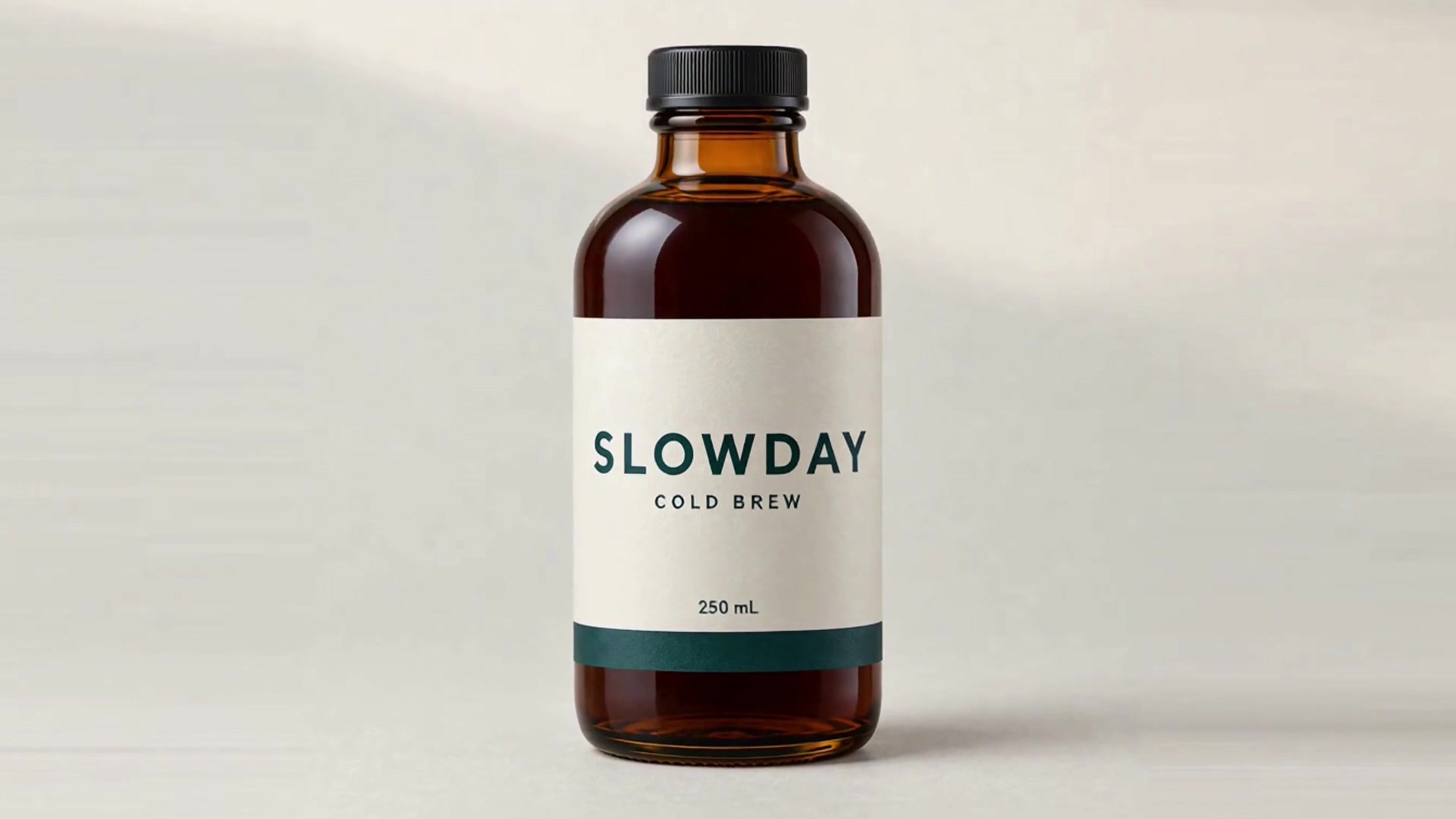 Product image → concept ad
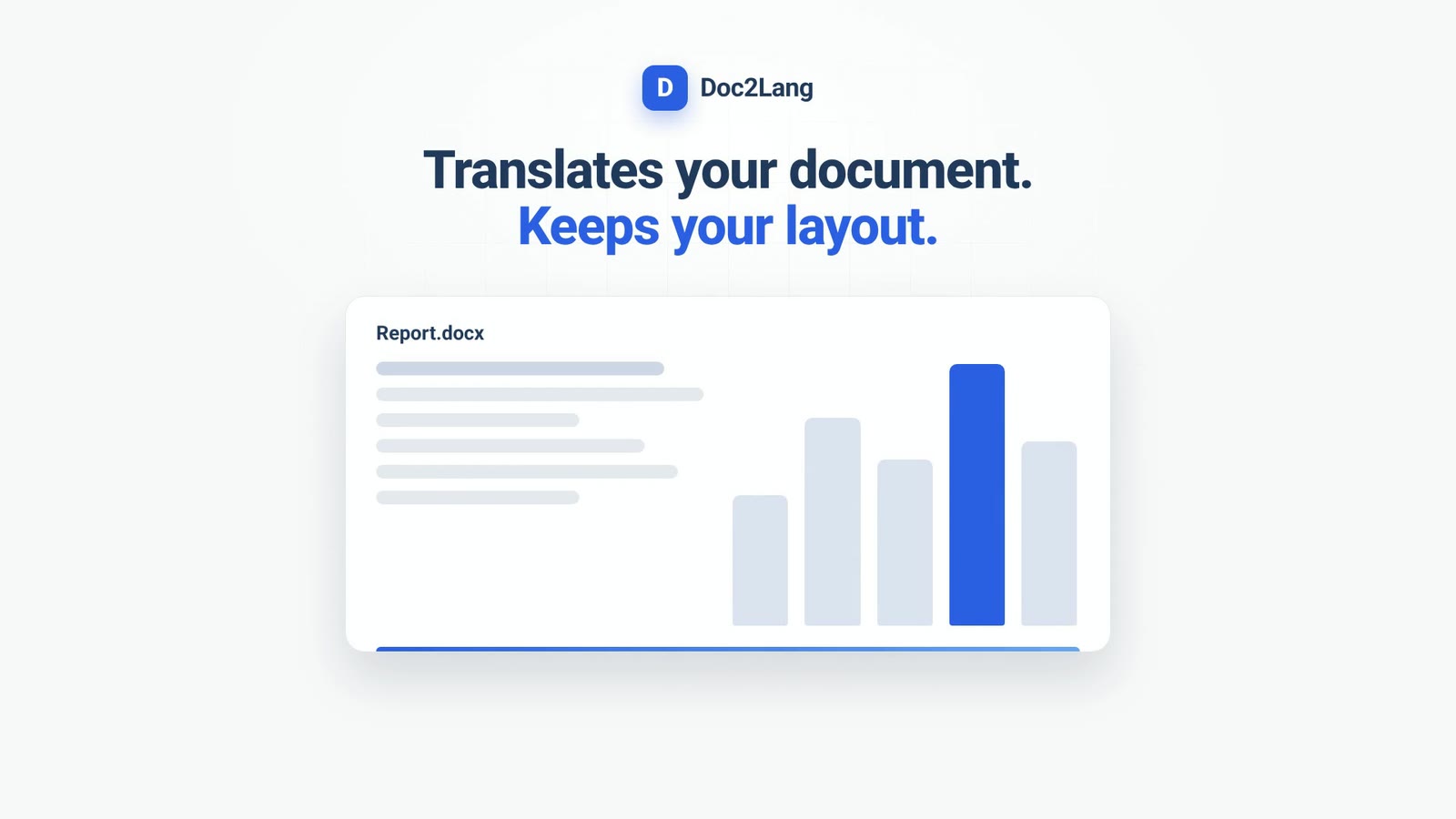 Website URL → product explainer
 Document → visual explanation
Questions
- What is Higgsfield Katana?
- Katana is a Higgsfield workflow that remixes a reference video around your own subject. It analyzes the reference’s pacing, transitions and typography, then generates new scenes and assembles a new edit. It runs inside Claude through Higgsfield’s MCP connector.
- Does Katana run in Claude?
- Higgsfield presents Katana as a workflow in Claude, connected to its tools through MCP, and that is how we ran it. Generations use your Higgsfield credits, so you also need a Higgsfield account and a plan that includes the models the workflow uses.
- What Higgsfield plan does Katana need?
- One that includes Seedance 2.5, which Katana uses for every new video scene. On a Starter account on October 17, 2026, the video step returned “Requires plus plan or higher.” Our October 18 run on Plus completed. Plans and model access can change.
- How many credits does Katana use?
- Our 18-second video used 256 credits: 11 for four GPT Image 2.5 images and 245 for three Seedance 2.5 video plates at 720p. One revision that regenerated a single shot added 28, for 284 in total. A different preset or brief will use a different number of jobs, so treat this as one dated run, not a price list.
- Does Katana ask before spending credits?
- Its workflow instructions, checked through the Higgsfield connector on October 18, 2026, tell the agent not to ask questions or request confirmation, including for credit spending. It works within your account’s limits and a spending cap it sets for the run, and platform-level approvals still apply. In Vividemo, research, plan, script, storyboard and media each wait for your approval.
- Can Katana copy a TikTok or an ad exactly?
- Katana is built to remix. Its instructions tell the agent to adapt the reference’s visual language to new scenes, motion and text rather than rebuild it shot for shot. Use a reference you own or have permission to use.
- Can Katana use Seedance 2.0?
- Not for new scenes. In the workflow rules checked on October 18, 2026, Katana generated new video with Seedance 2.5 only. Seedance 2.0 is available through Higgsfield’s general video tool, outside Katana.
- Is there a Katana alternative for product demos and explainers?
- Vividemo starts from a brief, product URL, article or product images rather than a reference edit, and stops for your approval at each creative stage. See a 28-second product ad made with Vividemo and Vividemo pricing.
Next comparison: Everygen review: a paid test, both outputs and a 46-credit breakdown
Vividemo prices come from our pricing page. Higgsfield and Katana are trademarks of their owner, and this page is not affiliated with or endorsed by Higgsfield. Claude is a trademark of Anthropic.